Smart Building Access: Breaking the 16% Adoption Ceiling
Smart lock adoption doubled from 7% to 16% between 2022 and 2024, yet 76% of multifamily properties still use traditional keys. With 72% of operators planning upgrades, the gap between intent and action reveals three core barriers and one emerging approach that changes the equation entirely.
Knockli Team
Smart Building Access
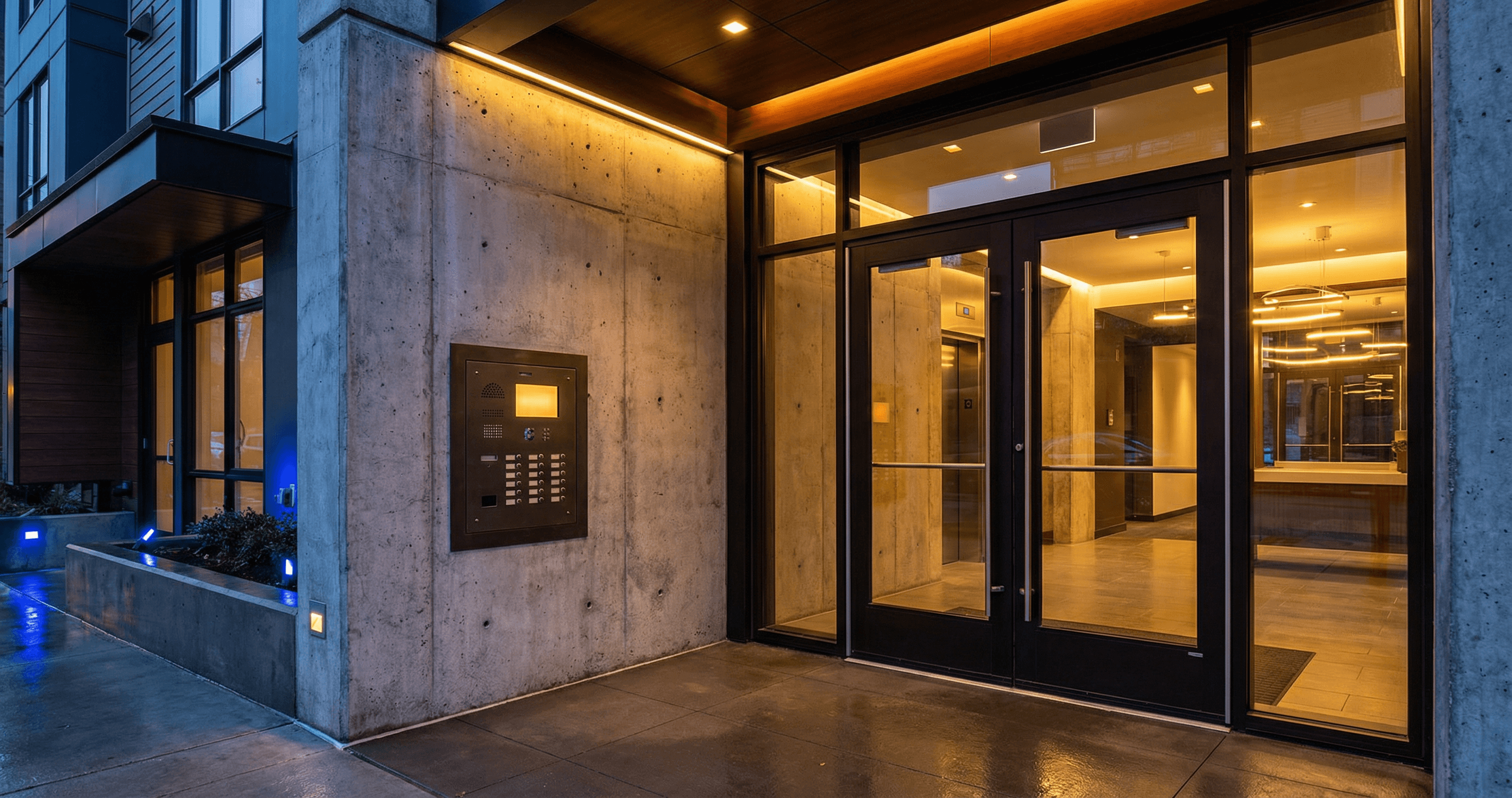
The smart building access market tells two contradictory stories at the same time.
On one hand, momentum. NAA/KeyTrak research shows smart lock adoption in multifamily properties doubled from 7% to 16% between 2022 and 2024. On the other hand, stagnation. The same research reveals that 76% of multifamily properties still use traditional keys exclusively. Three out of four buildings operate with the same access technology they had a decade ago.
Meanwhile, Parks Associates reports that 72% of multifamily owners and operators plan to upgrade access control within the next 12 months. If that number sounds familiar, it should. Similar figures appeared in 2023 surveys. The planning never stops. The implementation rarely starts.
This gap between intent and action isn't random. It's structural. The global access control market, valued at $11.5 billion in 2025 and projected to exceed $20 billion by 2033, keeps growing because the industry keeps buying. But the growth concentrates in commercial, institutional, and new construction. Existing multifamily buildings, the ones where most renters actually live, remain largely untouched.
Three specific barriers keep building access technology adoption stuck at 16%. Understanding them is the first step toward breaking through. And a newer category of software-only access upgrades is challenging whether these barriers need to exist at all.
What's Actually Blocking Smart Building Access Adoption?
Cost (44.2%), integration complexity (38.8%), and implementation risk are the three barriers keeping 76% of multifamily properties on traditional keys.
The IREM PropTech Insights 2025 report quantifies what property managers have been saying for years. When asked about the primary obstacles to technology adoption, the responses were decisive:
- 44.2% cite cost as the primary barrier
- 38.8% cite integration complexity with existing systems
- The remaining respondents point to staff training, resident adoption concerns, and vendor fatigue
These aren't abstract complaints. They reflect the reality of traditional multifamily access control upgrades.
The Hardware Cost Problem
A conventional smart lock deployment costs $200-500 per door in hardware alone, plus $100-300 per door for installation. For a 100-unit building with common areas, that's $40,000-80,000 before a single resident taps their phone to enter. Video intercom replacements push costs even higher.
For property managers operating on thin margins, that kind of capital expenditure requires board approval, budget cycles, and competitive bids. The timeline from "good idea" to "installed system" stretches to 6-12 months, and that's when things go smoothly.
Software-only solutions like Knockli approach the problem differently, working with existing intercom hardware instead of replacing it. That eliminates the capital expenditure entirely. But more on that shift in a moment.
The Integration Nightmare
The second barrier, integration complexity, is arguably worse than cost because it's harder to predict. Propmodo's analysis of multifamily technology consolidation highlights a growing problem: property managers now juggle multiple technology platforms across their operations. Adding another system that doesn't talk to existing tools creates more work, not less.
Traditional access control systems often require dedicated infrastructure: card readers wired to control panels, proprietary software that runs on specific hardware, and IT support contracts that add ongoing costs. For older buildings with legacy wiring, the integration challenges multiply.
The result is a fragmented technology landscape where each new system adds another vendor relationship, another login, and another potential point of failure. Property managers don't reject smart building access because they think it's a bad idea. They reject the operational disruption that comes with bolting new hardware onto old infrastructure.
Implementation Fear
The third barrier doesn't show up cleanly in surveys, but it drives more stalled projects than cost or integration combined. Property managers fear the implementation process itself: the construction disruption, the resident complaints during installation, the weeks of troubleshooting as new systems stabilize.
According to the Security Industry Association's analysis of multifamily access control trends, this fear isn't unfounded. Hardware-based deployments typically require 3-6 months for full implementation across a single property, during which access reliability can be inconsistent.
Why Does Convenience, Not Security, Drive the Upgrades That Happen?
Buildings that adopted smart access did so for lockout management and convenience, not security, according to NAA/KeyTrak research.
Here's the statistic that surprises everyone in the industry: when NAA/KeyTrak surveyed multifamily professionals about their motivations for adopting smart access technology, security ranked nowhere near the top.
The actual drivers:
- 33% cited lockout simplification as their primary motivation
- 26% cited key standardization across their portfolio
- 22% cited rekeying cost reduction during tenant turnover
Zero respondents in the survey cited security as a primary motivating factor. Not one.
This finding reshapes how the industry should think about building access technology adoption. Most access control marketing leads with security messaging. The properties that actually convert to smart access are solving convenience-driven access problems, not security fears. Lockout calls at 2 AM, key management chaos during turnover, and the daily grind of coordinating vendor access are what finally push property managers past the planning phase.
Yield PRO's analysis of resident expectations reinforces this pattern, noting that mobile access demand from renters has grown primarily around convenience features: remote unlock for deliveries, guest access management, and elimination of physical key hassles.
For the 72% still in planning mode, this is an important recalibration. The ROI case for building access technology isn't a security pitch. It's an operations pitch. The buildings that finally move from planning to implementation do so because someone quantified the staff hours lost to lockout coordination, the resident complaints tied to missed deliveries, and the rekeying costs eating into turnover budgets.
The Software-Only Shift That Changes Smart Building Access
The three adoption barriers (cost, integration, and implementation risk) all assume one thing: that modernizing building access means replacing hardware. A growing category of software-only access solutions challenges that assumption entirely.
How It Works
Software-only solutions use your building's existing phone-based intercom system. The call box is already wired, tested, and working. Instead of replacing that hardware with smart locks or video intercoms, a software layer redirects intercom calls to an AI-powered screening system that handles visitor interactions, applies access rules, and logs everything automatically. Knockli pioneered this approach for multifamily properties, turning any phone-based call box into a smart access point.
For a deeper look at the technical approach, see our guide on modernizing building access without hardware replacement.
Traditional Hardware Upgrade vs. Software-Only Upgrade
| Factor | Traditional Hardware Upgrade | Software-Only Upgrade |
|---|---|---|
| Upfront cost | $40,000-80,000+ per building | $0 hardware investment |
| Monthly cost | $500-2,000 (maintenance, licenses) | $149-399/month |
| Implementation time | 3-6 months | 10 minutes per building |
| Resident disruption | Weeks of installation | None |
| Integration complexity | New infrastructure required | Works with existing call box |
| Rollback risk | High (sunk cost) | Cancel anytime |
| Portfolio scalability | Building-by-building projects | Configure remotely, same day |
What This Looks Like in Practice
Knockli's AI-powered access solution is built around this software-only model. When a visitor buzzes a unit, Knockli's AI answers the call in natural language, identifies the visitor, checks building rules, and either grants access, notifies the resident, or declines entry. Every interaction is logged with timestamps and visitor details.
The feature set addresses the specific problems that drive adoption:
- Delivery handling: Recognized carriers (Amazon, FedEx, UPS, USPS, DoorDash) are verified and granted lobby access during configured hours, reducing missed-delivery complaints
- After-hours screening: Late-night buzzes are handled by AI instead of waking residents or routing to on-call staff
- Natural language rules: Property managers configure policies in plain English ("Let verified deliveries in before 9 PM, decline solicitors, notify residents for all other visitors")
- Portfolio dashboard: Manage rules and review activity across multiple buildings from a single interface
The setup process takes roughly 10 minutes per building: update the dial-out number in your call box directory, configure your building rules, and go live. No electricians. No installation appointments. No hardware orders.
This directly eliminates the 44.2% cost barrier and the 38.8% integration barrier identified in the IREM research. The implementation timeline drops from months to minutes, removing the third barrier as well.
What Should the 72% Planning to Upgrade Actually Do Next?
Start with a single-building no-hardware pilot, measure results over 30 days, then use real performance data to build the business case for portfolio rollout.
The gap between "planning to upgrade" and "actually upgrading" persists because the traditional path demands a big commitment upfront. Software-only approaches allow a fundamentally different strategy.
Step 1: Pick Your Pilot Building
Choose the property with the most access-related pain. High delivery volume, frequent after-hours complaints, or expensive lockout service calls all make good selection criteria. The goal is maximum visible impact with minimum risk.
Step 2: Run a 30-Day Pilot
Deploy a software-only solution on your pilot building. With Knockli, this means 10 minutes of setup and zero disruption to residents. Track three metrics from day one:
- Delivery-related complaints (before vs. after)
- After-hours escalations to on-call staff
- Staff time spent on buzzer-related coordination
Step 3: Build the Business Case with Real Data
After 30 days, you have something most technology proposals lack: actual performance data from your own building. This transforms the conversation with ownership from "we should try this" to "here's what it did."
For a framework on presenting these numbers effectively, see our guide on proving the ROI for building access technology.
Step 4: Scale What Works
Portfolio rollout becomes straightforward when you've proven the model. Software-only solutions let you add buildings in minutes, not months. Each property can have customized rules while sharing a centralized management dashboard.
For guidance on expanding without creating resident friction, our article on adopting new access technology without resident pushback covers communication strategies and phased rollout patterns that work.
The 16% Ceiling Is a Choice
The data is clear. The intent is there. 72% of operators want to upgrade. The barrier has never been willingness. It's been the assumption that upgrading means replacing hardware: spending tens of thousands, disrupting operations for months, and hoping the integration works.
Software-only building access technology removes those assumptions from the equation. The 16% adoption ceiling exists because traditional upgrades demand traditional investment. When the investment drops to zero hardware cost and 10 minutes of setup time, the ceiling disappears.
The properties that break through aren't the ones with the biggest budgets. They're the ones that recognized the barriers were tied to a specific approach, not to the goal itself. Multifamily access control can be modernized without replacing a single piece of hardware, without disrupting a single resident, and without waiting a single budget cycle.
The question for property managers isn't whether to modernize building access. It's whether to keep planning or start a pilot this week.
Ready to break through the adoption ceiling? Knockli's AI-powered building access works with your existing intercom hardware, deploys in 10 minutes, and costs $0 in new equipment. Start with one building and let the results speak for themselves.
Related Articles
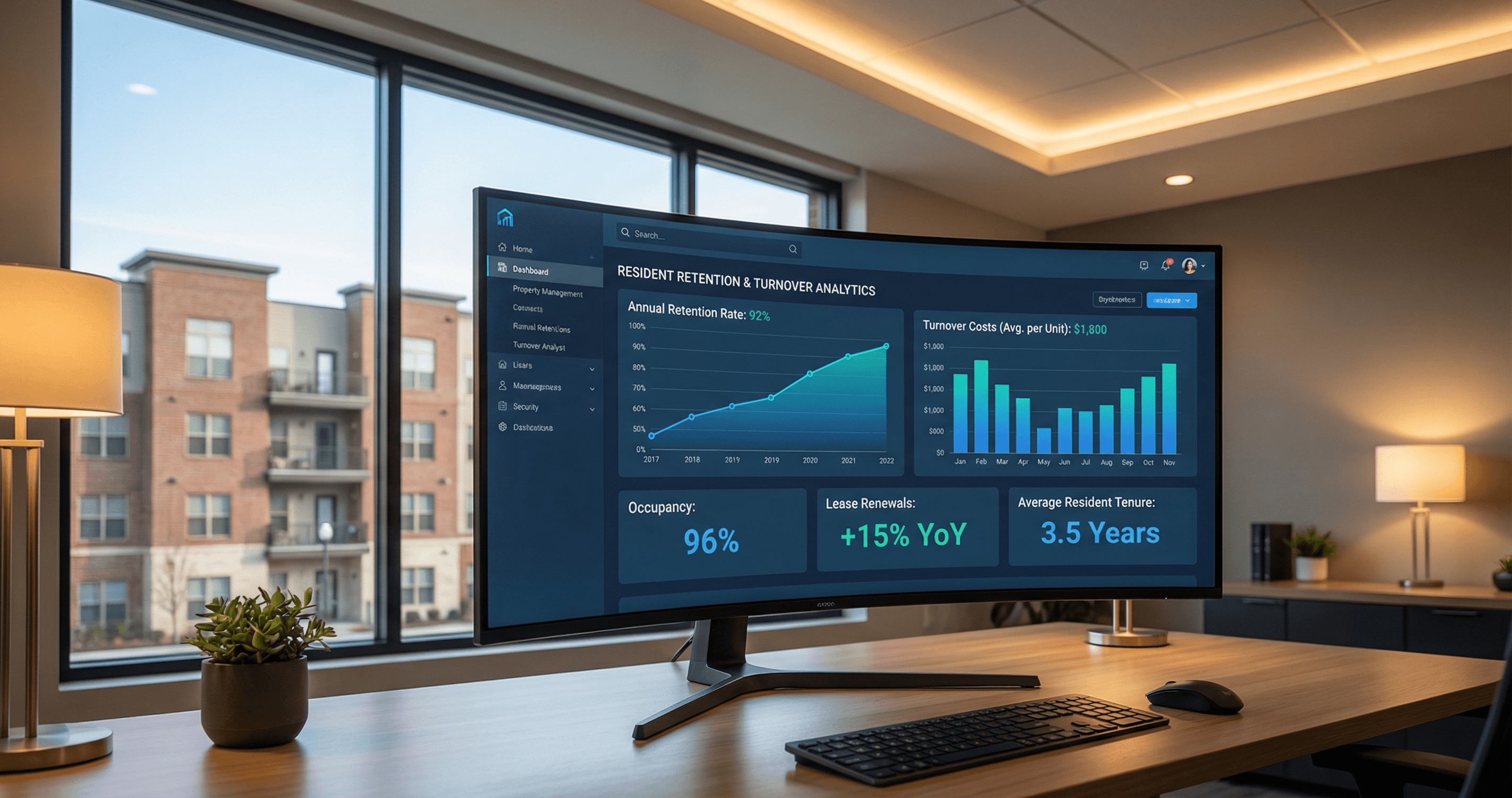
Resident Turnover Costs $4,000 Per Unit: How Technology Cuts It
Resident turnover costs $4,000 per unit on average. How building technology and access modernization improve retention and protect NOI.
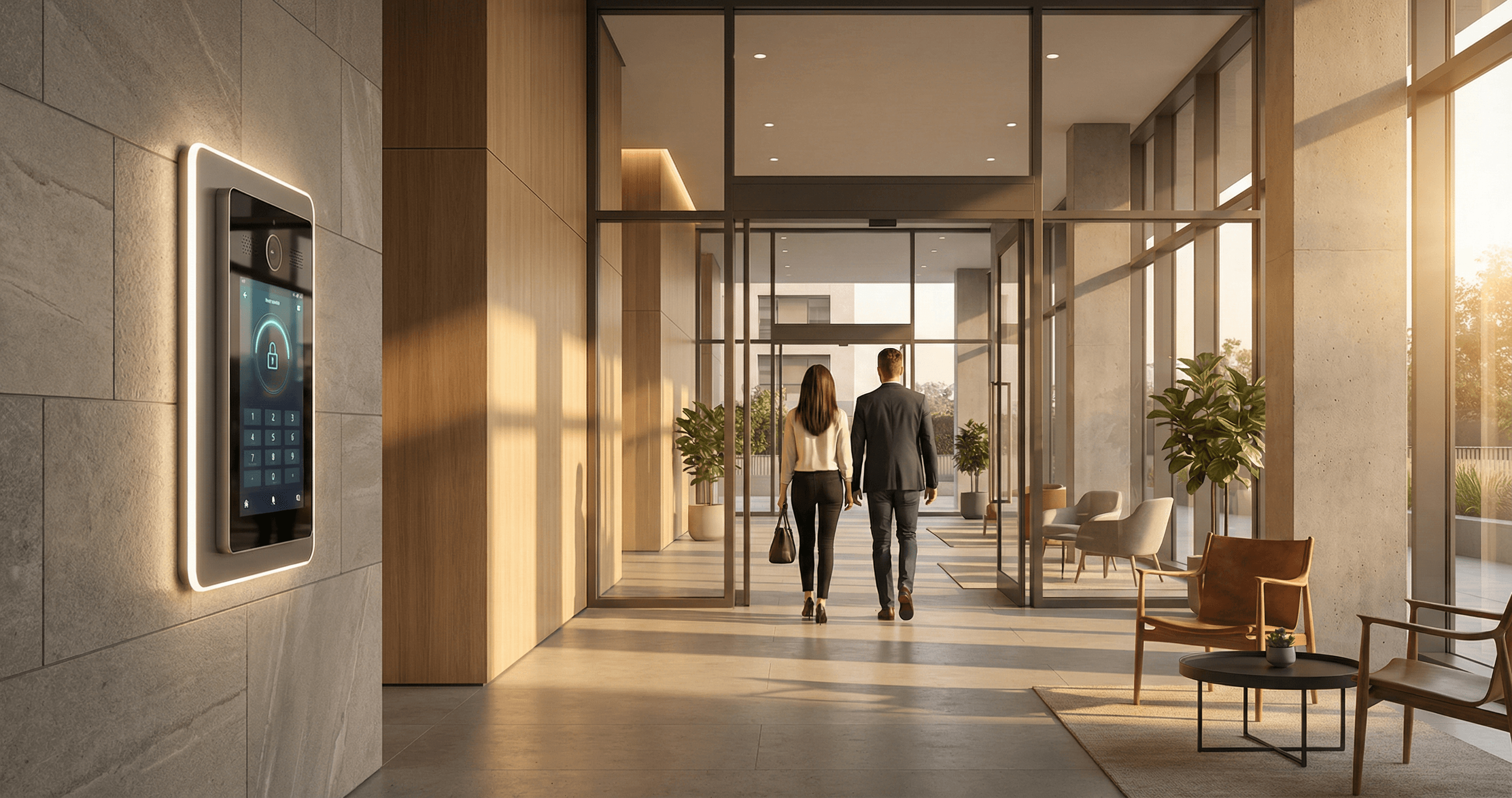
Building Access Technology Adoption Without Resident Pushback
Learn why building access technology rollouts fail and how property managers can drive resident adoption through pilots, communication, and the right solutions.
Scale Multifamily Operations Without Scaling Your Payroll
77% of property managers expect portfolio growth, but headcount can't keep pace. Learn how centralization and technology break the linear scaling trap.