Resident Turnover Costs $4,000 Per Unit: How Technology Cuts It
With 500K+ new apartment units delivering by mid-2026 and operators achieving just 58% retention against a 63% target, the math on turnover is brutal. Here's how building technology investments directly impact renewal decisions.
Knockli Team
Product Team
Building the future of smart building access for property portfolios.
Key Takeaways
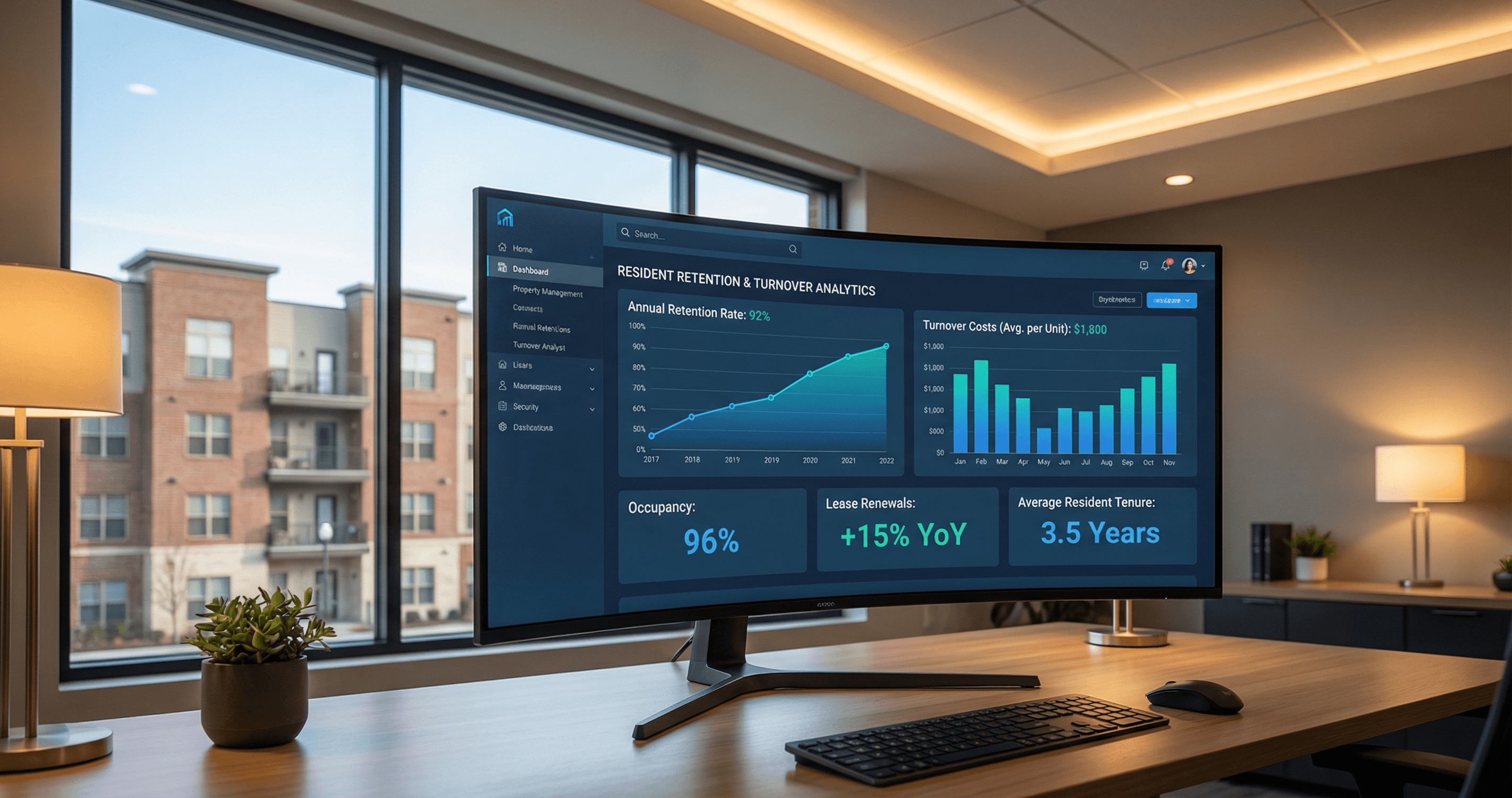
- $4,000 per unit: The average cost of resident turnover, including vacancy loss, turn expenses, and leasing costs
- 58% vs 63%: Operators achieve 58% retention on average despite targeting 63%, leaving significant NOI on the table
- Service beats amenities: Responsiveness and communication now outrank building features in renewal decisions
- Technology compounds: 79% of residents satisfied at move-in remain satisfied at renewal, making early experience critical
- Competition is intensifying: 500K+ new units by mid-2026 means retention will separate winners from struggling portfolios
When a resident gives notice, the cost isn't just the vacancy. It's the turn, the marketing, the showing time, the screening, and the concessions you might need to fill the unit in a competitive market. Add it all up, and the numbers are sobering.
According to industry research on multifamily turnover costs, property managers face an average cost of approximately $4,000 per vacated unit. Lost rental income is the primary driver, but turn costs, marketing expenses, and staff time compound quickly.
For a 200-unit property with 40% annual turnover, that's $320,000 in turnover costs every year. At portfolio scale, the numbers become staggering.
The question isn't whether turnover is expensive. It's what you can actually do about it.
The Resident Turnover Gap: Why Operators Miss Retention Targets
Property managers know retention matters. According to research on retention trends, operators target a 63% resident retention rate but achieve only 58% on average. That five-point gap represents tens of thousands of dollars per property in unnecessary turnover.
Why the miss? The research suggests a disconnect between how operators approach renewals and what actually drives renewal decisions.
Nearly three-quarters of operators expect retention to improve, yet many continue treating renewals primarily as lease extensions rather than relationship outcomes. The focus stays on rent pricing and renewal timing instead of the service quality that shapes how residents feel about their home.
The Competitive Pressure Is Real
The retention challenge is intensifying. According to Luxer One's analysis of property management challenges, over 500,000 new apartment units are projected to deliver nationwide by mid-2026. This supply wave means:
- Tougher competition for quality residents
- Higher concessions in oversupplied markets
- Greater pressure to differentiate through service and experience
In a market where residents have options, the buildings that retain residents will outperform those constantly cycling through turnover costs.
What Actually Drives Renewal Decisions
Here's where the research challenges conventional assumptions.
According to property management industry analysis, responsiveness and communication now rank higher than amenities in determining whether residents renew. The pool, the gym, the rooftop deck: they matter for attracting residents, but they don't keep them.
What keeps residents?
Service quality and responsiveness. When maintenance requests get handled quickly. When the leasing office actually answers calls. When residents feel heard rather than ignored.
Communication that works. According to industry reports, over half of property teams spend five or more hours weekly managing resident communications, mostly via email. When communication takes that much effort, gaps emerge. And gaps frustrate residents.
Early experience sets the trajectory. Research from Updater found that 79% of residents satisfied at move-in remain satisfied at renewal. Conversely, only 20% of residents dissatisfied at move-in become satisfied by renewal time. The implication: early wins compound into retention, and early problems compound into churn.
The Technology-Retention Connection
Technology investments in multifamily have historically focused on operational efficiency: property management software, accounting systems, maintenance ticketing. These matter, but they're not what residents experience directly.
The technology that impacts retention is resident-facing. It's the systems residents interact with daily.
What Residents Actually Want
According to MRI Software's predictions for multifamily leasing, 65% of residents now prefer digital methods over paperwork for leasing interactions. This preference extends beyond leasing to everyday building interactions:
- How they receive packages
- How guests and deliveries access the building
- How maintenance gets requested and tracked
- How they communicate with management
When these touchpoints work well, residents feel their building is modern and responsive. When they don't, residents feel friction, and friction erodes satisfaction over time.
The Complaint-Retention Link
Consider the resident who misses three deliveries in a month because drivers couldn't access the building. Or the one whose sleep gets disrupted by late-night buzzer calls from solicitors. Or the one who can't get maintenance scheduled because communication falls through cracks.
Each complaint is a small erosion of satisfaction. Enough erosion, and the resident starts looking at listings.
Reducing complaints directly improves retention. It's not glamorous, but it's measurable. Buildings that solve the small frustrations keep residents longer than buildings that only invest in headline amenities.
Building Access as a Retention Lever
Access control might seem like an operational concern rather than a retention strategy. But consider how often residents interact with their building's entry system:
- Every package delivery
- Every guest visit
- Every after-hours vendor
- Every time a buzzer rings unexpectedly
These interactions happen constantly. And when they go wrong, residents notice.
Common Access-Related Complaints
Missed deliveries. Drivers buzz, no one answers, packages get returned. According to Parcel Pending research cited by NAA, 95% of residents agree that package security is important to them. When delivery access fails, residents feel it.
After-hours disruption. Late-night buzzes from food delivery, lost visitors, or persistent solicitors. These disrupt sleep, create anxiety, and generate complaints that land on your desk. For a deeper exploration of after-hours challenges, see our guide on handling after-hours building access without staff.
Coordination friction. Vendors who can't get access without key handoffs. Guests who wait while residents scramble to answer buzzers. Maintenance that gets delayed because access wasn't coordinated.
Each of these is solvable with modern building technology. And each solution removes a small friction point that, multiplied across hundreds of interactions, affects how residents feel about living in your building.
Calculating ROI: How Access Modernization Reduces Resident Turnover
When evaluating any technology investment, the question is whether the returns justify the spend. For building access modernization, the math centers on complaint reduction and its downstream effects on retention.
The Complaint-Turnover Chain
Property managers often track complaints as an operational metric. But complaints also predict turnover. Research on resident retention shows that dissatisfaction with management is the second most common reason residents leave a community.
Complaints are leading indicators of dissatisfaction. Reduce complaints, and you're intervening before dissatisfaction becomes a move-out notice.
A Sample ROI Framework
Consider a 100-unit building with:
- Average rent: $1,800/month
- Current retention: 55%
- Annual turnover: 45 units
- Turnover cost: $4,000/unit
- Annual turnover expense: $180,000
If access modernization reduces complaints by 30% and that improvement lifts retention by 5 percentage points (from 55% to 60%):
- New annual turnover: 40 units (5 fewer)
- Turnover savings: $20,000/year
Against a software-based access solution costing $3,600-4,800/year (typical for a 100-unit building), the payback is clear within the first year. For guidance on implementation approaches, see our article on modernizing building access without hardware.
The actual retention impact will vary by property and market. But the framework illustrates why access-related complaint reduction deserves consideration as a retention investment, not just an operational upgrade.
Implementation Without the Headache
The traditional barrier to building technology upgrades has been implementation complexity. Hardware replacements mean capital expenditure, installation logistics, and resident disruption.
Modern software-first approaches change this equation.
What Software-First Means
Software-first solutions work with your existing infrastructure. If your building has phone-based intercoms (where buzzes dial a phone number), software can provide the intelligence layer without replacing hardware.
Key benefits for property managers:
- Zero capital expenditure: No hardware purchase or installation
- Rapid deployment: Setup in 10-15 minutes per building
- Portfolio scalability: Roll out across properties from a centralized dashboard
- Minimal resident disruption: No construction, no installation appointments
What Modern Access Solutions Provide
For property managers evaluating their options, look for capabilities that directly address retention-impacting complaints:
Delivery handling automation. Carrier recognition, policy-based access, and resident notification. This solves the missed delivery problem without requiring front desk staff.
After-hours management. Time-based rules that handle late-night calls appropriately. Solicitors get declined. Legitimate visitors get routed or granted access based on your policies.
Complete documentation. Audit trails for every access event. When disputes arise, you have records. When patterns emerge, you have data.
Natural language configuration. Set policies in plain English rather than complex programming. "Let Amazon in before 8pm" should be easy to implement.
The Competitive Advantage of Solving Small Problems
With 500,000+ new units coming online, differentiation matters more than ever. But differentiation doesn't always mean adding features. Sometimes it means solving the problems your competitors ignore.
Most buildings have buzzer systems. Few have ones that work intelligently.
Most buildings accept packages. Few ensure they arrive reliably.
Most buildings have after-hours access. Few manage it in ways that don't frustrate residents.
These are small problems. But they're problems residents experience constantly. Buildings that solve them create an experience that's noticeably better, even if residents can't articulate exactly why.
That experience translates into retention. And retention, at $4,000 per avoided turnover, translates directly into NOI.
Moving Forward
Resident turnover is expensive. The research is clear on both the cost ($4,000/unit average) and the gap between targeted and actual retention (63% vs 58%). In a market with intensifying supply-side competition, the properties that protect their resident base will outperform those constantly refilling units.
Technology plays a role, but not in the way it's often positioned. The value isn't in flashy amenities that look good in marketing. It's in solving the daily friction points that erode satisfaction over time.
Building access is one of those friction points. Every missed delivery, every late-night buzzer disruption, every guest access coordination hassle represents a small withdrawal from the resident satisfaction account. Solve enough of these small problems, and you build a cushion that survives the inevitable issues every property faces.
The math on retention is compelling. The implementation barriers for modern solutions are lower than they've ever been. For property managers looking to protect NOI in a competitive market, access modernization deserves a spot on the evaluation list.
Looking to modernize building access across your portfolio? Learn how Knockli works for property managers, from delivery automation to after-hours management, with zero hardware requirements and 10-minute setup per building.
Related Articles
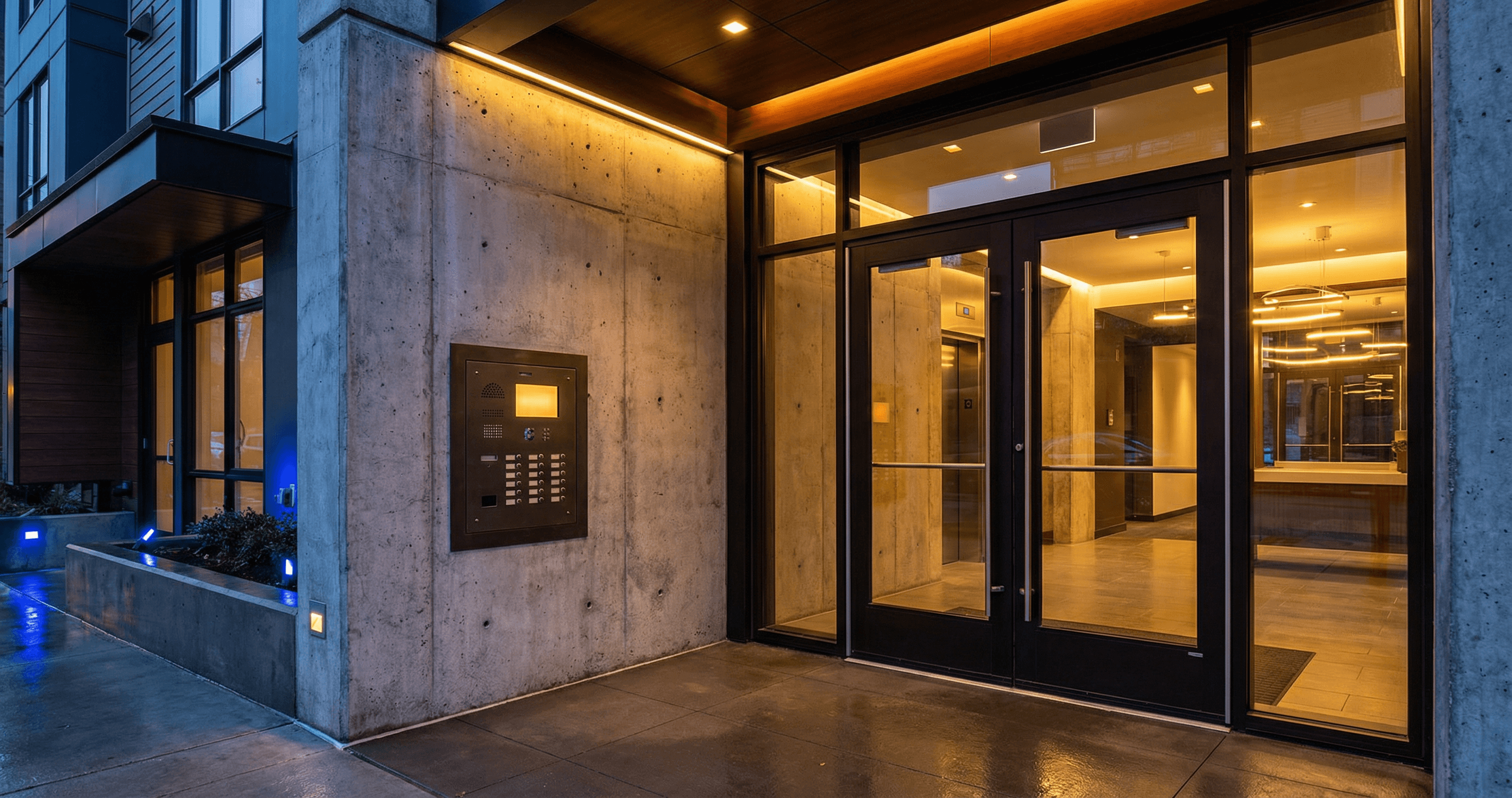
Smart Building Access: Breaking the 16% Adoption Ceiling
76% of multifamily properties still rely on traditional keys despite 72% planning upgrades. What blocks smart access adoption.
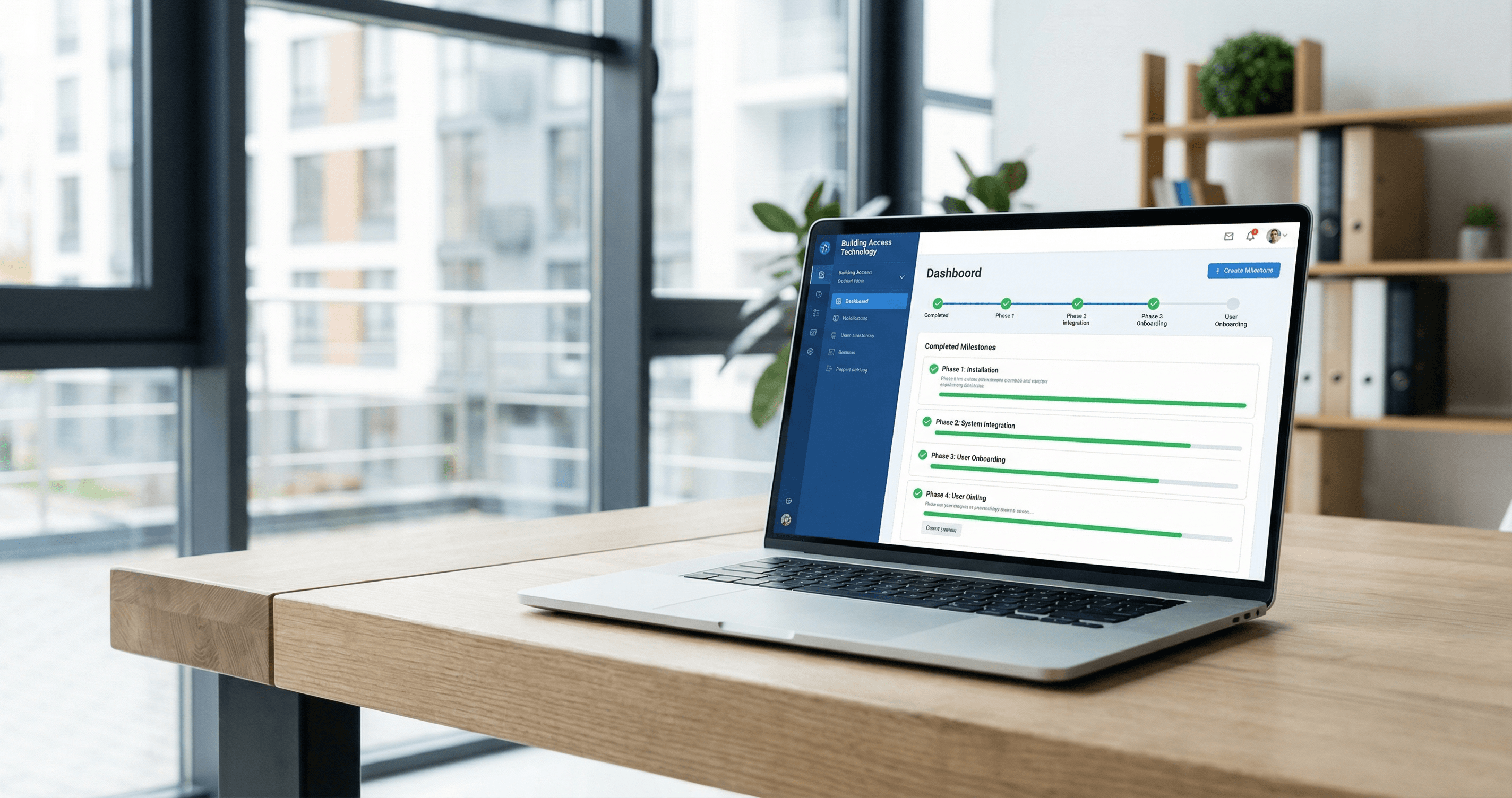
Building Access Projects That Stall: Keep Yours Moving
Technology implementation is a top-3 challenge for property managers. Five reasons building access projects stall and how to avoid them.
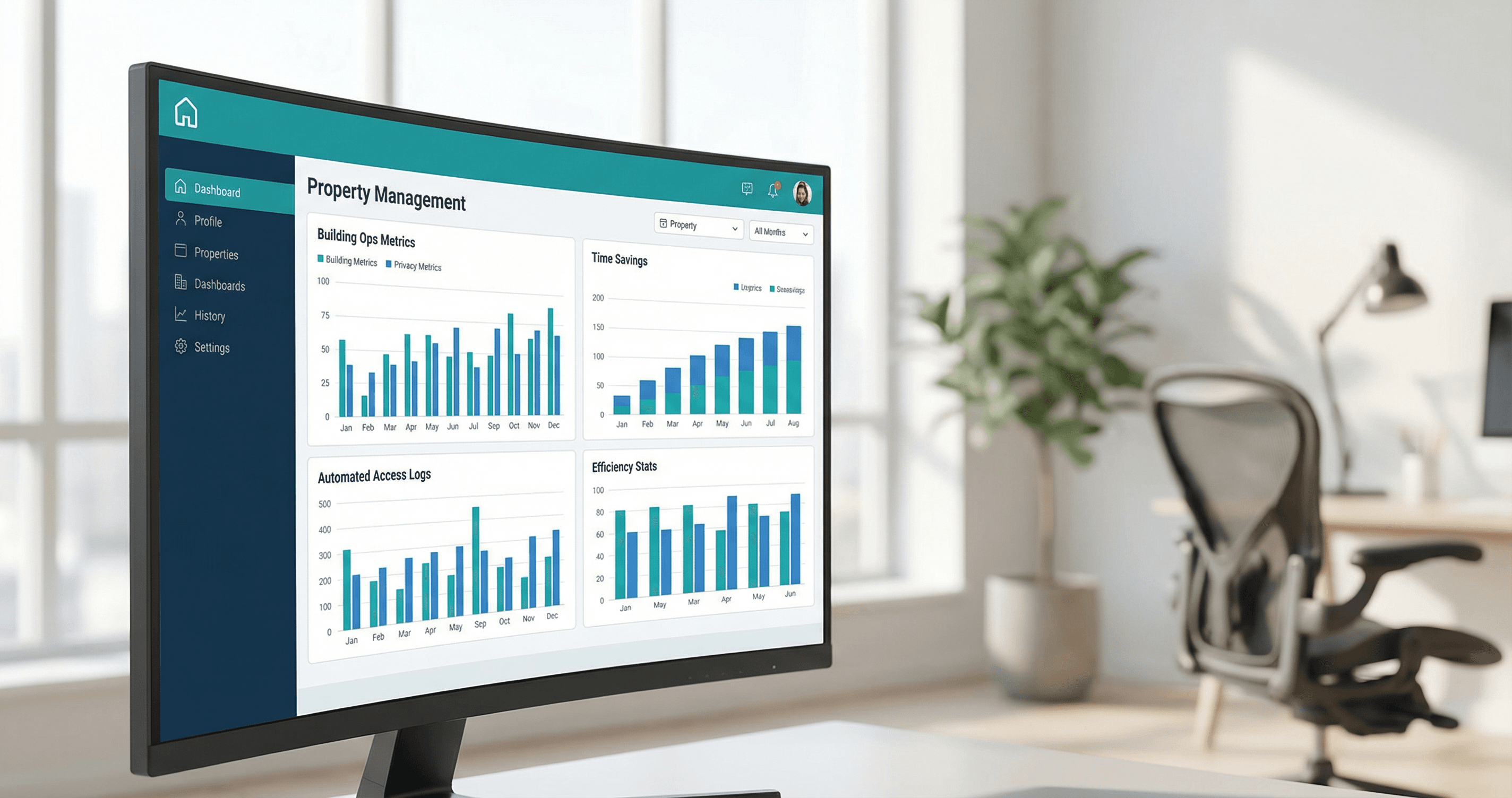
Automate Routine Building Operations Without Adding Staff
Property managers spend 66% of time on routine operations. Learn which tasks can be automated to reclaim strategic time without increasing headcount.