Apartment Buzzer Apps: Automate Access Without New Hardware
Your apartment buzzer hasn't changed in decades, but the way you use it can. Apartment buzzer apps connect your existing intercom to your phone, letting you screen visitors, automate deliveries, and control access without installing new hardware or asking your landlord.
Knockli Team
Smart Building Technology
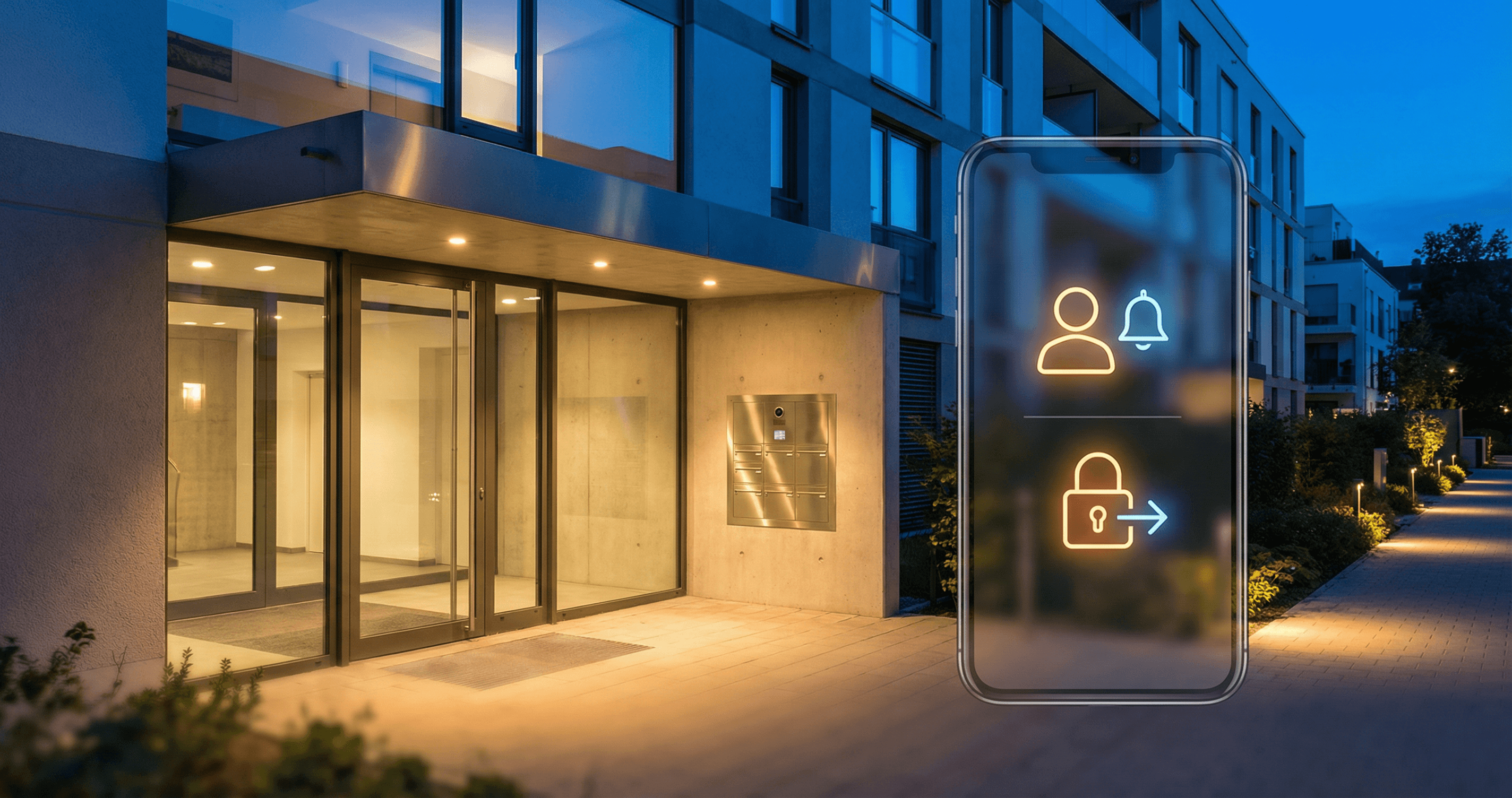
Your apartment buzzer is probably the oldest piece of technology you interact with daily. It rings, you answer, you press a button, and you hope the right person walks in. No caller ID, no screening, no way to handle things when you're not home. An apartment buzzer app changes all of that by connecting your building's existing intercom to your phone, giving you control over who gets in and when, without replacing a single piece of hardware.
The demand is real: 48% of renters are interested in smart intercoms and video doorbells, and the global apartment intercom market is projected to grow from $12.74 billion to $26.3 billion by 2032. Yet most renters are stuck with buzzer systems designed before smartphones existed.
This guide covers what apartment buzzer apps are, how they work, which solutions are worth considering, and how to set up buzzer automation that actually fits your life.
What Is an Apartment Buzzer App?
An apartment buzzer app lets you manage your building's intercom from your phone instead of a wall-mounted handset.
Apartment buzzer app: Software that connects your building's existing intercom to your smartphone, enabling remote answering, visitor screening, automated access rules, and activity logging without any hardware changes to the building.
Traditional apartment buzzers are simple. Someone presses your unit number at the front door, your in-unit handset rings, and you press a button that sends a DTMF tone to unlock the door. The system has worked this way for decades. Most buzzers built after the 1990s also have a phone-forwarding feature: when you don't answer the handset, the call routes to a phone number on file.
That phone-forwarding feature is the unlock. An apartment buzzer app intercepts the forwarded call, then handles the interaction on your behalf. Depending on the app, that means anything from sending you a push notification to having an AI answer the call, talk to the visitor, and decide whether to grant access based on rules you've set.
The result: you go from a blind "who's there?" wall buzzer to a system with visitor identification, access logs, and remote control from anywhere with a phone signal.
How Apartment Buzzer Apps Actually Work
There are three approaches to making your apartment buzzer smart, and they vary wildly in cost, complexity, and whether your landlord needs to be involved.
Hardware replacement systems like ButterflyMX rip out your building's existing call box and install a new touchscreen intercom with a camera. These are the most feature-rich option but cost $4,000-$6,500 per entry point plus professional installation. They're a building-level decision, not something you do as an individual renter.
Hardware add-ons like Ring Intercom or Nuki Opener attach to your existing in-unit handset. They physically press the unlock button for you when triggered by an app. Setup is simpler than a full replacement, but you're still installing a device on your wall, dealing with compatibility issues, and sometimes needing your landlord's sign-off.
Software-only solutions take a completely different approach. Instead of touching any hardware, you redirect your buzzer's phone-forwarding number to the app's service number. When someone buzzes your unit, the call goes to the app instead of your phone. The app (or its AI) handles the interaction and sends the DTMF unlock tone back if access should be granted.
Knockli uses this software-only approach. You update one phone number in your building's intercom directory, and Knockli's AI starts answering your buzzer calls. Setup takes about 10 minutes, requires no tools, no installation, and no landlord approval since you're just changing a forwarding number, not modifying any equipment.
This is why the software-only approach resonates with renters. According to Apartments.com research, 49% of renters prioritize safety and security when choosing an apartment, but most can't make hardware changes to get it.
How to Buzz Someone Into Your Apartment Remotely
Whether you're at work, traveling, or just don't want to get off the couch, buzzing someone in remotely depends on your setup.
With a traditional buzzer (phone forwarding only): Most modern intercoms forward calls to a phone number when you don't pick up the handset. If your buzzer forwards to your cell phone, you answer the call and press "9" (or whatever DTMF digit your building uses) to unlock. It works, but you still have to answer every call yourself, can't tell who's buzzing before picking up, and can't set rules for different visitors.
With a buzzer app (manual control): Hardware add-ons and basic apps send you a notification when someone buzzes. You tap to unlock or deny. Better than a phone call, but you're still involved in every interaction.
With an AI-powered apartment buzzer app: This is where things get genuinely hands-off. An AI-powered app like Knockli answers the call, has a natural conversation to identify the visitor, and applies your rules automatically. Expected delivery? Unlocked. Your friend who texted they're on the way? Let right in. Random person at 2 AM? Politely declined. You get a notification with details, but you don't need to do anything unless you want to.
Setting up rules for recurring visitors is where buzzer automation really pays off. Instead of answering your buzzer every time your dog walker, cleaner, or regular guests arrive, you create rules once: "Let Sarah in on weekday mornings" or "Allow delivery drivers between 9 AM and 6 PM." The AI handles the rest.
If you're dealing with buzzer interruptions during work, automated rules are the difference between losing 23 minutes of focus per interruption and not being interrupted at all.
Smart Buzzer Solutions for Renters: What's Available
The smart buzzer for rentals market has grown quickly, but the options are more different than they first appear. Here's how the major approaches compare.
| Feature | Hardware Replacement (ButterflyMX) | Hardware Add-On (Ring Intercom) | Software-Only AI (Knockli) |
|---|---|---|---|
| How it works | Replaces building call box | Attaches to in-unit handset | Redirects buzzer phone number |
| Hardware cost | $4,000-$6,500/entry | $60-$200/device | $0 |
| Installation | Professional installer | Self-install (30-60 min) | Phone number change (10 min) |
| Monthly cost | $10-$30/unit | $0-$4/month | $19/month |
| Landlord approval | Required (building modification) | Sometimes (wall mounting) | Not needed |
| Video calling | Yes | No | No (AI voice conversation) |
| AI visitor screening | No | No | Yes |
| Automated access rules | Limited (PINs, virtual keys) | Basic (scheduled unlock) | Advanced (natural language rules) |
| Delivery handling | PIN codes | Remote unlock | AI-verified auto-unlock |
| Activity log | Yes | Limited | Yes (with transcripts) |
| Works with old buzzers | No (replaces them) | Some models only | Yes (any phone-based system) |
| Best for | New construction, full building upgrades | Tech-savvy renters, compatible systems | Any renter, any phone-based buzzer |
A few things stand out in this comparison. Hardware solutions give you video, which is genuinely useful if your building is investing in a full upgrade. But for individual renters, the cost and approval barriers make them impractical.
Ring Intercom is the most affordable hardware option, but compatibility is limited and it still requires physical installation. If your in-unit handset is an older analog model, it may not work at all.
Knockli's software-only model stands out for renters because it sidesteps the two biggest obstacles: cost and landlord approval. There's no hardware to buy, nothing to install, and because you're only changing a forwarding number, you're not modifying any building equipment. If you're evaluating your full range of apartment buzzer upgrade options, the right choice comes down to whether you need video (hardware) or whether smart screening and automation (software) solves your actual problem.
Delivery Driver Apartment Access: Stop Missing Packages
Package deliveries are the number one reason renters care about their buzzer. Research from Parcel Pending shows that 73% of apartment residents receive 1-3 package deliveries per week, and that number climbs around holidays and sales events.
The delivery driver apartment access problem is straightforward: drivers need to get through a locked entrance to reach your door or mailroom, but your buzzer requires someone to answer. If you're at work, in a meeting, or asleep, the driver leaves, and you get a "delivery attempted" notice instead of your package.
Apartment buzzer apps solve this in different ways:
Basic approach (manual unlock): You get a notification when the driver buzzes, and you tap to unlock. Works if you're paying attention, but fails during meetings, showers, and sleep.
PIN-based approach: Some systems let you set a delivery PIN that drivers can enter at the call box. The problem is sharing PINs with multiple carriers and making sure they actually use it.
AI-powered approach: Knockli identifies delivery drivers through the intercom conversation, verifies they're delivering to your unit, and unlocks the door automatically. You don't need to share PINs, be available, or do anything at all. Major carriers like UPS, FedEx, USPS, and Amazon are handled automatically.
You can also set time windows for delivery access. If you only want automatic unlock between 8 AM and 7 PM, that's a single rule. Outside those hours, the AI can take a message or ask the driver to leave the package with building management.
If missed deliveries are your main pain point, you might also want to read about other strategies to stop missing apartment deliveries beyond just your buzzer setup.
Buzzer Automation Beyond Deliveries
Once you've set up an apartment buzzer app, you'll quickly realize deliveries are just the beginning. The real value of buzzer automation is how it handles everything else that rings your intercom.
Quiet hours and focus time. Night shift workers, new parents, and remote workers all share the same problem: unwanted buzzer noise at the wrong time. With automation rules, you can set quiet hours where only pre-approved visitors get in. Everyone else gets a polite message without your buzzer ever ringing.
Guest pre-authorization. Hosting a dinner party? Add your guests to an allowlist so they can walk right in without waiting for you to answer. Expecting a friend this weekend? Create a temporary rule that expires after their visit.
Service provider access. Dog walkers, cleaners, maintenance workers, and personal trainers all need regular building access. Instead of setting an alarm to be available for every visit, create a recurring rule: "Let my dog walker in on weekdays between 11 AM and 1 PM." Knockli's natural language rules make this feel like telling a human doorman your preferences.
Activity logging and review. Every buzzer interaction gets logged, so you can see who came to your building, when they arrived, what they said, and whether they were granted access. With Knockli, logs include full conversation transcripts, giving you visibility that a traditional buzzer never could.
For renters who want doorman-level service without doorman-level costs, buzzer automation closes the gap.
Frequently Asked Questions
How much does an apartment buzzer app cost?
Costs range from free (basic call-forwarding apps) to $19/month for AI-powered solutions like Knockli. Hardware add-ons like Ring Intercom have a one-time cost of $60-$200 plus optional subscriptions. Full hardware replacements like ButterflyMX cost $4,000-$6,500 per entry point with $10-$30/unit monthly fees. For individual renters, software-only options deliver the best value since there's no upfront hardware cost.
Do I need my landlord's permission to use a buzzer app?
For software-only apartment buzzer apps, no. You're changing the phone number your buzzer forwards to, not modifying any building equipment. It's the same as changing your forwarding number to a new cell phone. Hardware add-ons (devices attached to your handset) may require permission depending on your lease terms. Full intercom replacements always require building management approval.
Can I buzz someone in when I'm not home?
Yes, that's one of the main benefits. With a forwarded buzzer, you answer from your cell phone anywhere. With an AI-powered app like Knockli, you don't even need to answer. The AI handles the conversation and unlocks the door based on your rules, whether you're at work, traveling, or simply don't want to be interrupted. You'll get a notification with details of the interaction.
What if my building has an old intercom?
If your building's intercom can forward calls to a phone number, a software-only buzzer app will work with it. This includes most systems installed since the mid-1990s. Even audio-only intercoms (no video) work fine because the app or AI communicates through voice conversation and sends the standard DTMF unlock tone. The U.S. Access Board's guidelines on building entry systems note that modern intercom design should support remote operation, which is exactly how software-only apps work. If your building uses a purely mechanical buzzer with no phone line, you'd need a hardware solution instead.
Is it safe to automate my apartment buzzer?
Automated buzzer access is actually more secure than the traditional approach. When someone buzzes you on a standard intercom, you make a snap decision with almost no information. An AI-powered buzzer app asks visitors to identify themselves, checks their response against your rules, logs every interaction, and only grants access when criteria are met. You maintain full control over the rules, can review all activity, and can override or disable automation at any time.
Take Control of Your Building's Front Door
Your apartment buzzer doesn't have to stay stuck in the past. Whether you want to stop missing deliveries, eliminate interruptions during work, or just know who's coming and going at your building's entrance, an apartment buzzer app gives you that control without construction, hardware purchases, or awkward landlord conversations.
Knockli is the fastest way to get there. Set up takes 10 minutes, works with your existing intercom, and puts an AI-powered doorman on your building's front door for $19/month. No hardware. No installation. No permission slip required.
Related Articles
Smart Intercom for Renters: Find Your Best Apartment Buzzer Upgrade
What features matter in a smart intercom for apartment renters. Why AI-powered solutions offer the best value without hardware.
Introducing Knockli: Your AI Doorman Is Here
Knockli is your AI doorman. It answers your apartment buzzer, screens visitors, and handles deliveries automatically. No hardware needed, no landlord approval.
What Is an AI Doorman? (And Should You Get One?)
An AI doorman answers your apartment buzzer, screens visitors, and unlocks the door by your rules. How it works, costs, and fit.